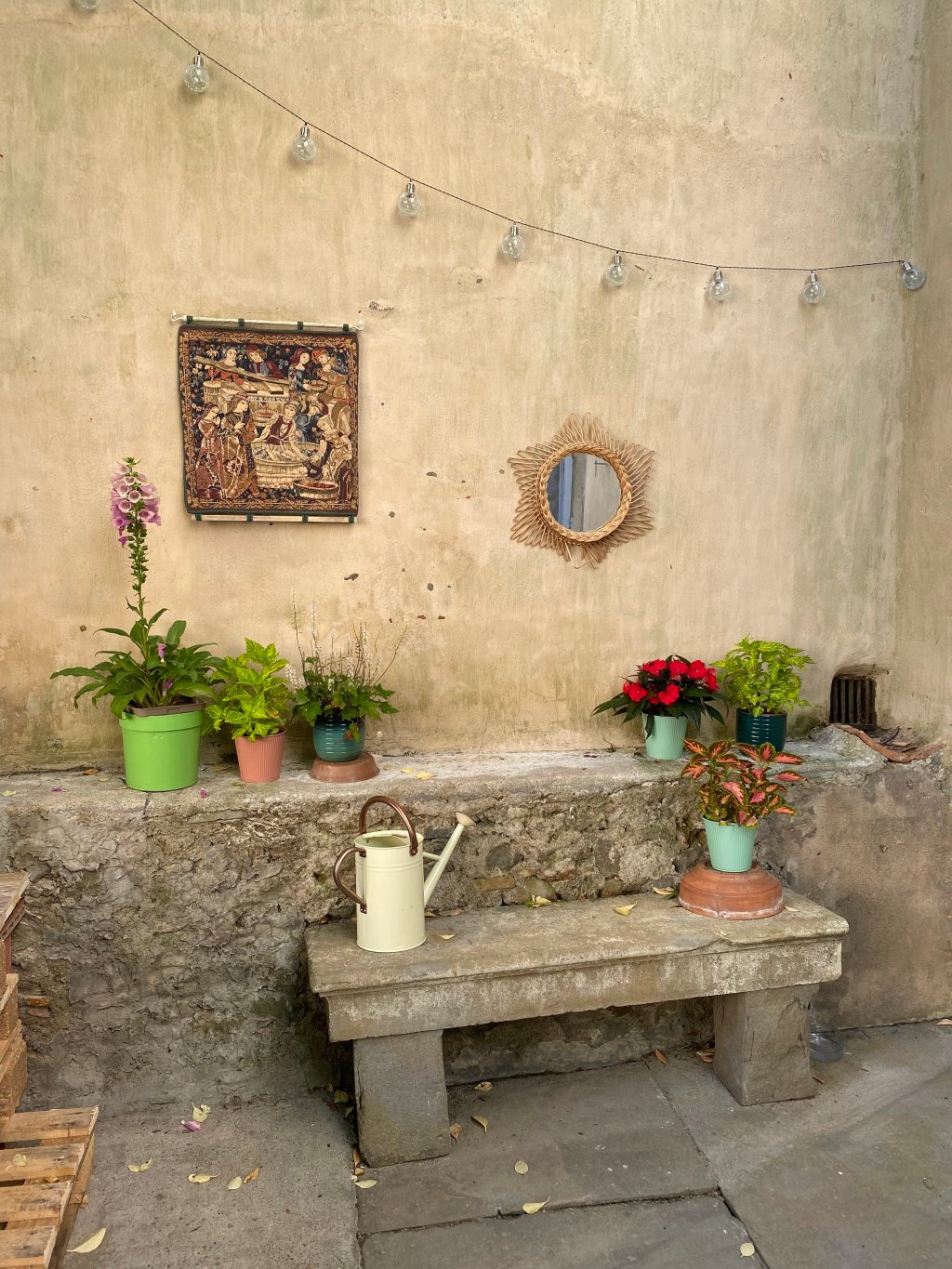
Creating beautiful and practical vacation rental spaces is a thoughtful process that goes beyond aesthetics. For me, it’s about crafting a stay that feels inviting, functional, and reflective of the unique charm of its location. Guests should feel at home, surrounded by thoughtful details that enhance their experience, whether they’re traveling for leisure or business. In this post, I’ll share my philosophy on balancing beauty and practicality and why it matters.
Why Balance Beauty and Practicality?
Design is the first thing potential guests notice, especially in a competitive market for vacation rentals and holiday homes. A visually appealing property grabs attention, increasing the likelihood of bookings. But creating a beautiful space isn’t enough. Comfort and usability are just as important to ensure that guests feel relaxed and at ease during their stay.
There are two extremes I’ve encountered: properties designed for aesthetics alone, where comfort is overlooked, and practical spaces that lack character or warmth. The key is to find a balance—a home that’s beautiful to look at but also functional for everyday living. For example, ensuring that kitchen appliances are compatible and fully functional or selecting furniture that’s both stylish and comfortable can significantly enhance the guest experience. A space should also be thoughtfully arranged to make cleaning and maintenance as simple as possible, ensuring it stays in top condition for future guests.
Thoughtful Practicality for Guests
When I design my vacation rental spaces, I focus on the small but impactful details that make a difference:
- Kitchen essentials: Stocking basics like salt, pepper, oil, and even pasta or rice allows guests to cook simple meals without unnecessary trips to the store. Functional cookware, a variety of utensils, and proper storage complete the experience.
- Comfortable living spaces: I ensure sofas and beds are not just visually appealing but also cozy and inviting, making guests want to stay in and relax.
- Smart storage solutions: From hooks in the bathroom to dedicated luggage areas, I prioritize organization to avoid clutter and help guests settle in.
- Bathroom functionality: Providing ample space for toiletries and clean, soft towels creates a spa-like experience.
Each of these elements contributes to a sense of ease, letting guests focus on their trip rather than the small inconveniences of an under-equipped home.
Design as an Experience
The goal of design is to create an experience. Each corner of the property should invite guests to do something, whether it’s relaxing, socializing, or reflecting. The emotions these spaces evoke depend on the property and its rooms, and the ideas often come to me when I spend time there.
For example:
- Relaxation and contemplation: In Carcassonne, I added flowers and fairy lights to one side of the terrace, creating a visually appealing spot for guests to unwind. I also designed a meditation corner with a hanging chair and an outdoor bookshelf with books about mindfulness. The hanging chair was intentional—a solo piece inviting peaceful, reflective moments.
- Play and fun: The games room in Carcassonne was specifically designed for interactive enjoyment. It includes a green neon LED sign for a playful vibe, wallpaper with whimsical animal portraits recalling the playful medieval portraits in the main part of the apartment. Guests can also engage with an escape game I created, which encourages interaction with the garden and the games room itself.
- Blending art and functionality: In Annecy, I chose a TV that looks like a frame and added a chair next to it. The corner is an inviting reading nook but is also the TV area.
These “moments” transform a space from functional accommodation into a memorable part of the trip. It’s not just about how a place looks but how it makes guests feel and what they can do there.
The Importance of Testing Your Space
Testing isn’t just about identifying flaws; it’s about living the experience you’re offering to guests. Spending time in your holiday home reveals how the space truly functions. Here are better examples of what I’ve learned:
- A seating area in Annecy needed adjustment to make it more inviting. Adding a throw blanket and side table turned it into a perfect spot for evening relaxation.
- In Carcassonne, I realized the original dining table placement felt cramped. Moving it closer to the window created a brighter, more open dining area.
- Staying in the space helped me refine details like lighting placement and the usability of storage solutions, ensuring guests can move easily through the property.
By staying in your property or inviting someone you trust to do so, you can refine not only functionality but also the emotional experience of the space.
Advice for New Vacation Rental Hosts
Here are a few lessons I’ve learned:
- Live in the property: This is the best way to identify what works and what doesn’t.
- Think like a guest: Focus on ease and comfort, from accessible storage to functional appliances.
- Optimize for efficiency: Design with cleaning and maintenance in mind, balancing aesthetics with durability.
- Create moments: Think beyond looks and imagine how guests will interact with each corner of your property.
- Stay flexible: Be prepared to adjust as you learn from guest feedback and personal experience.
Closing Thoughts
Designing a vacation rental space is about creating a balance between beauty, comfort, and practicality. It’s about anticipating guest needs, designing for ease, and crafting a space where people can truly unwind. Feedback from guests who feel at home is a testament to the care and thought behind every decision.
What are your top tips for vacation rental design? Let’s continue the conversation and inspire better hosting practices together.
 City Escape Collection
Leave a comment