Running an Airbnb can be a profitable venture, but beyond the nightly rates and cleaning fees, there are hidden costs that many new hosts overlook. From unexpected repairs to platform fees and local taxes, these expenses can add up quickly and impact your bottom line.
If you’re thinking of becoming an Airbnb host, or if you’re already managing a short-term rental, it’s important to be aware of these costs so you can budget effectively and maximize your profits. Based on my experience managing properties in France and the UK, here’s a breakdown of the key costs you need to factor in.
Upfront Costs: More Than Just the Purchase Price
1. Property Purchase and Renovation
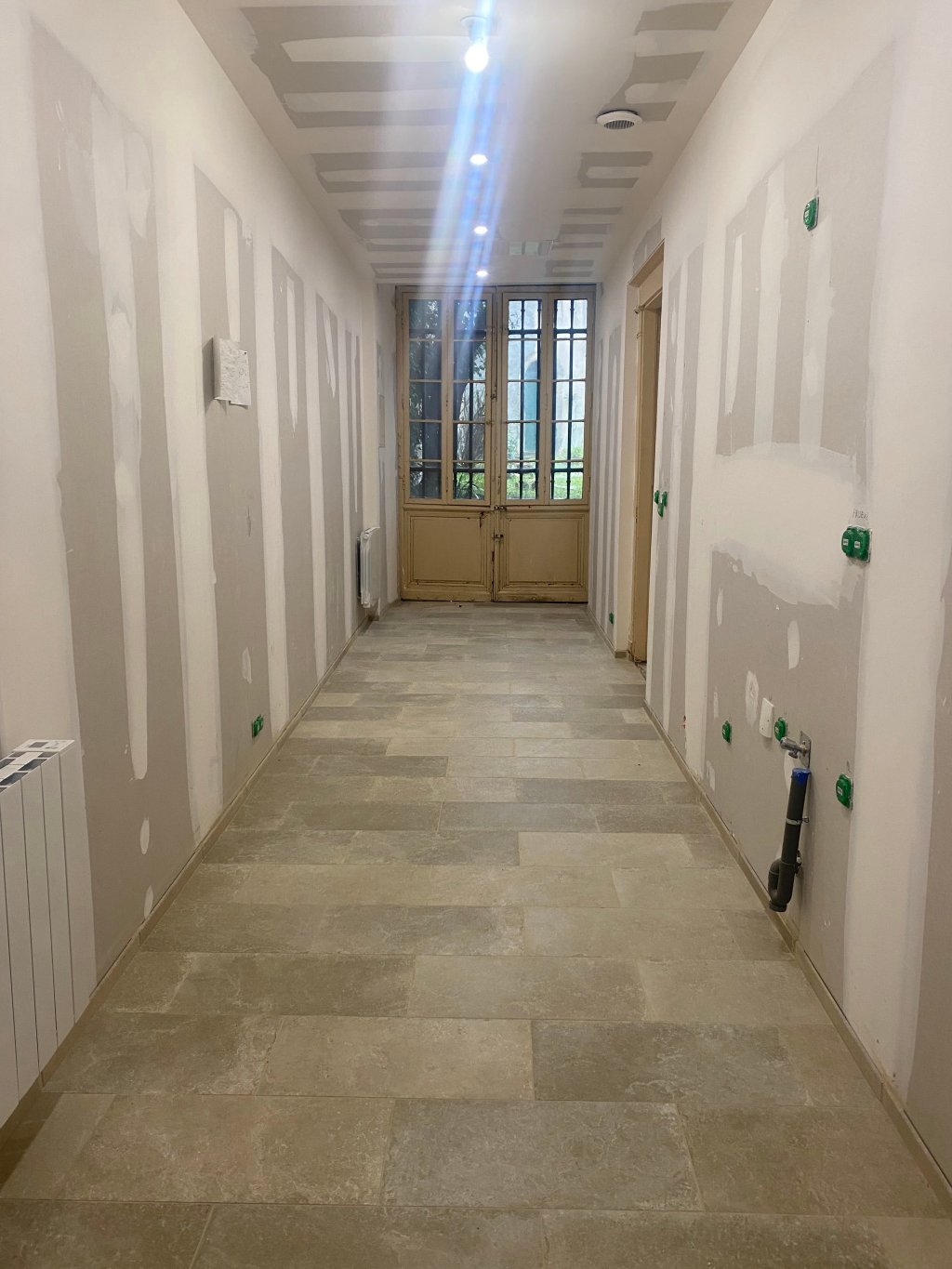
The largest cost is, of course, the property itself. However, if you’re buying a home specifically for short-term rentals, you’ll likely need to invest in renovations to make it appealing to guests.
- Structural work – If the property is old, expect to spend on electrical updates, plumbing, insulation, and heating systems.
- Painting and decor – A fresh coat of paint can make a big difference, but do guests really notice the quality of the paint job? I painted my Carcassonne Airbnb myself, and while it wasn’t perfect, no guest ever mentioned it.
- Insulation and air conditioning – In Western Europe, many homes don’t have air conditioning, but in summer, guests expect it. Installing a full system can cost thousands, so I opted for mobile air conditioning units, which are cheaper and effective while keeping my listing competitive.
2. Furnishing and Equipment
Furnishing a rental property can be as expensive or budget-friendly as you make it. The key is balancing cost, durability, and aesthetics:
- Mix and match furniture to create a stylish look without overspending.
- Not everything needs to be heavy-duty—guests don’t destroy furniture as some hosts fear.
- Invest in quality bedding, a comfortable sofa, and a well-equipped kitchen—the things guests care about most.
Recurring Expenses: The Costs of Running an Airbnb
1. Cleaning and Maintenance
- Cleaning fees: A major ongoing cost. While I charge guests for cleaning, I pay my cleaners well because they are essential to my business.
- Maintenance and repairs: Things break—guests drop plates, plumbing issues arise, and general wear and tear happens faster than in a personal home.
- Garden upkeep: If your property has outdoor space, budget for seasonal gardening work.
2. Utilities and Energy Costs
- Electricity, water, and heating costs can add up, especially in cold winters or hot summers.
- Smart thermostats can help cut costs. I’m installing one that connects to my channel manager, so heating automatically switches on/off when guests check in and out.
3. Platform Fees and Commissions
- Airbnb and Booking.com take a cut—typically 15% on Airbnb and 17% on Booking.com.
- Some hosts let the guest cover this fee, but since I use a channel manager, I absorb it and adjust my prices accordingly.
4. Taxes and Local Regulations
Taxes can be one of the biggest hidden costs of Airbnb hosting, and they vary widely by location.
In France, I pay:
- Taxe foncière (property tax) – Over €1,000 per year.
- Taxe d’habitation (residence tax) – Another €1,000+ per year.
- Income tax on rental earnings – This depends on the tax regime, but I deduct expenses like maintenance, utilities, and furnishings from my taxable income.
In the UK, I have a different tax system:
- I use the £7,500 Rent a Room Scheme, which allows me to earn tax-free income up to that threshold, but I cannot deduct expenses.
- If I exceed this amount, I’d have to declare additional earnings and pay tax accordingly.
Understanding tax rules is crucial—many hosts underestimate how much they’ll owe at the end of the year.
Surprise Expenses and Hidden Costs
Even with careful planning, unexpected expenses happen. Some examples from my own experience:
- Guest-related damages: One guest’s dog shed so much hair that I had to pay €103 extra for a deep clean.
- Last-minute requests: A guest booked late checkout without realizing it was too late to modify their stay. Since my cleaner had already arrived, I had to pay them for wasted time.
- Bad renovation choices: I once tried working with a cheaper builder but had to redo the work with my trusted contractor, adding unplanned expenses.
To avoid financial strain, always have a cash buffer—I recommend at least €1,000 per property per year for emergency costs.
Cutting Costs Without Cutting Corners
1. Skip the Concierge, Manage It Yourself
Many hosts pay 15-30% to a property management company, but I’ve saved thousands by managing my Airbnbs remotely. With the right setup—smart locks, a reliable cleaner, and quick communication—concierge services are unnecessary for most hosts.
2. Invest in Smart Tech
- Smart locks for automated check-in.
- Smart thermostats to cut energy costs.
- A channel manager to synchronize pricing and availability across multiple platforms.
3. Accept That Some Expenses Are Part of the Business
Trying to claim back every small cost from guests can be more trouble than it’s worth. I choose to absorb some minor costs instead of arguing over €100 or leaving a bad impression. A good reputation leads to repeat bookings—which is far more valuable.
Final Thoughts: Plan for the Unexpected
Hosting on Airbnb can be very profitable, but only if you understand all the costs involved. Upfront investments, recurring expenses, and unexpected repairs can add up—but if managed well, they won’t eat into your profits.
💡 Key Takeaways: ✅ Budget for renovations, furnishings, and insulation—but don’t overspend on things guests won’t notice. ✅ Plan for yearly maintenance and emergency repairs—have a buffer of at least €1,000 per year per property. ✅ Understand platform fees and local tax regulations—they impact your bottom line more than you think. ✅ Eliminate unnecessary expenses, like concierge services, by setting up a well-structured remote hosting system.
Airbnb hosting is not passive income—but with smart planning, you can maximize profits while avoiding financial surprises. If you’re considering becoming a host, make sure you account for these hidden costs so you don’t get caught off guard!
 City Escape Collection
Leave a comment